Japandi Style: How to Create a Calm, Minimal, and Warm Home
Learn what Japandi style is and how to create a calm, minimal, warm home using natural materials, neutral colors, clean furniture, and soft lighting.
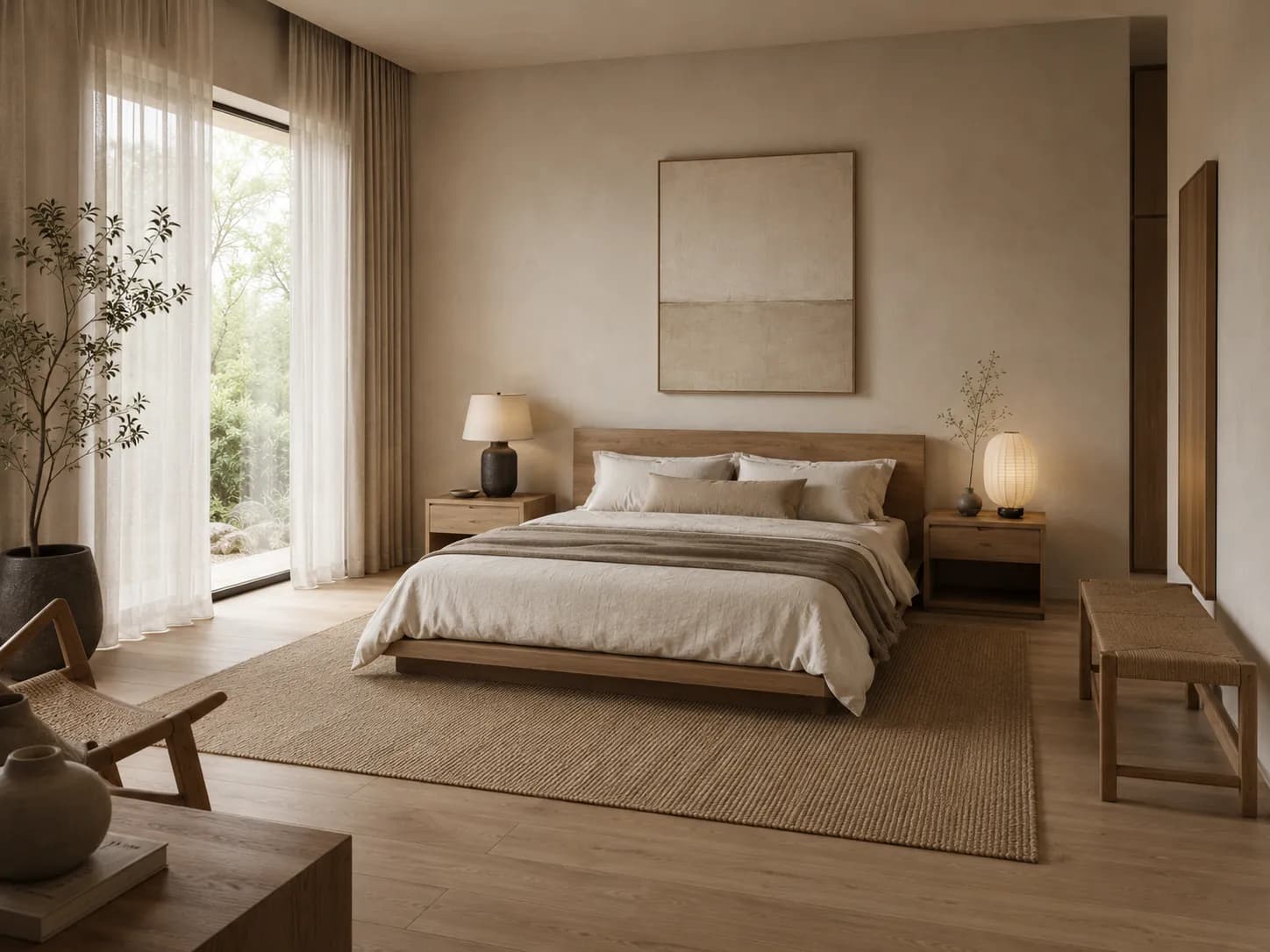
Japandi style is one of the most popular interior design looks for a reason. It feels calm, clean, natural, and elevated without being cold or boring. It combines the simplicity of Japanese design with the warmth and comfort of Scandinavian interiors, creating spaces that feel peaceful, functional, and refined.
If you love neutral colors, natural wood, soft textures, clean lines, and rooms that feel uncluttered but still inviting, Japandi may be the perfect style for your home.
If you want to apply that look without replacing everything, start with our guide to keeping existing furniture in an AI room redesign.
A Real Bedroom, Reimagined in Japandi Style
Japandi works best when it responds to the room you already have. In this Room Foundry redesign, the bedroom keeps its recognizable layout and major features while shifting toward warmer wood, quieter contrast, layered natural textiles, and softer lighting.
The goal is not to erase the original room. It is to make it feel calmer, more intentional, and more cohesive.
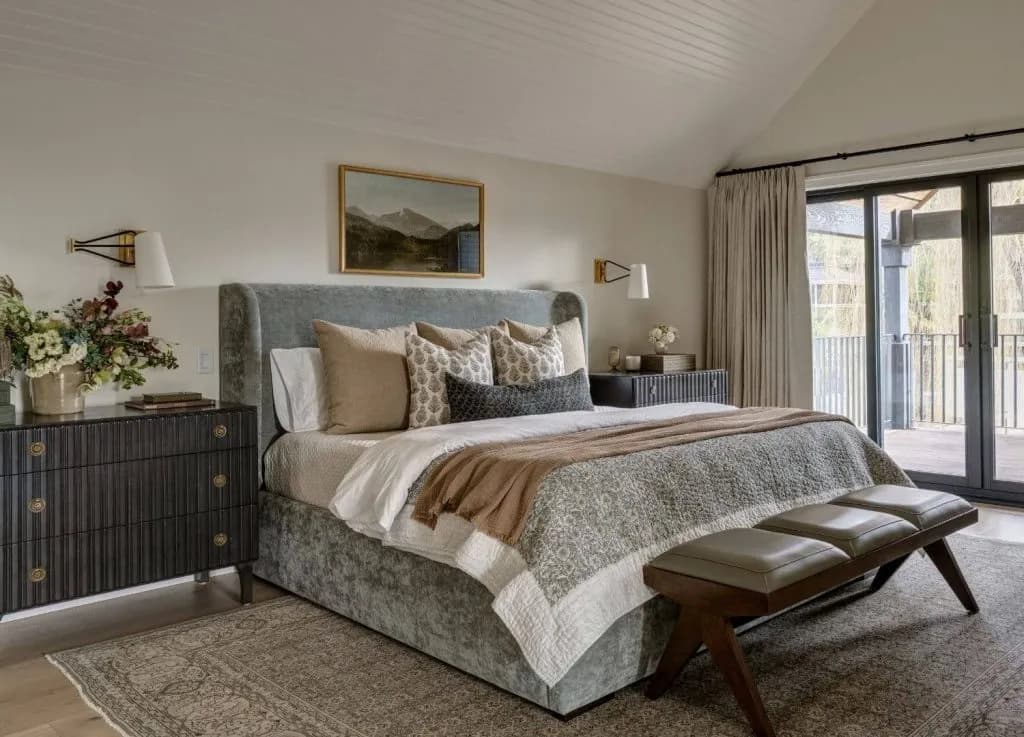 before
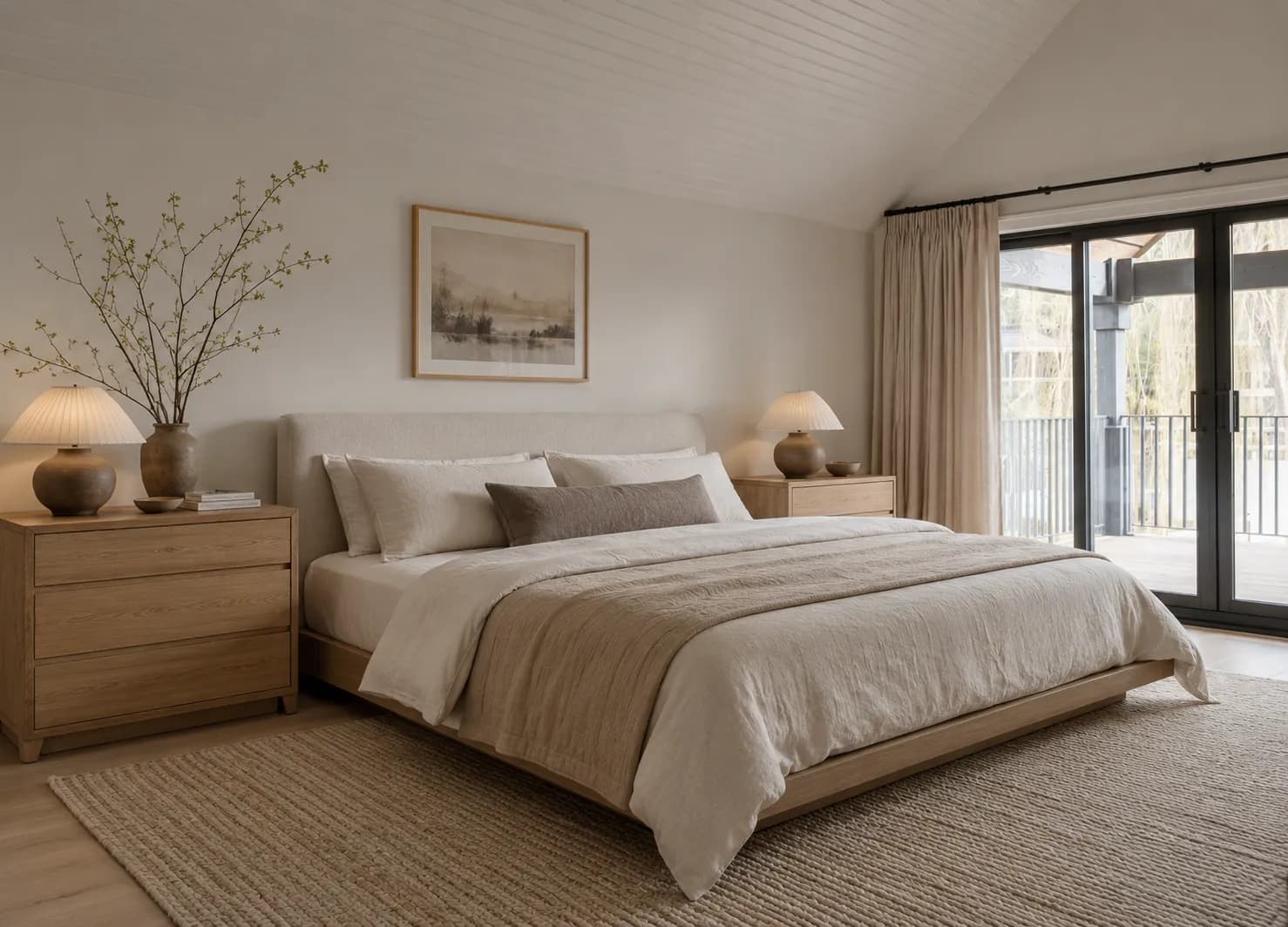 after
afterWhat stayed: the room layout, window placement, flooring, and key furniture selected to remain.
What changed: the palette, bedding, lighting, rug, wall treatment, and a restrained layer of natural decor.
What Is Japandi Style?
Japandi is a mix of Japanese and Scandinavian interior design.
Japanese design brings simplicity, balance, craftsmanship, and a connection to nature. Scandinavian design adds warmth, comfort, practicality, and cozy minimalism.
Together, they create a style that feels refined but livable. A Japandi room is not overly decorated. It is not trendy or flashy. Instead, it feels grounded, thoughtful, and calm.
You will usually see natural materials, warm neutrals, low-profile furniture, simple shapes, soft lighting, and carefully chosen decor.
Why Japandi Works So Well
Japandi works because it creates a sense of calm. Instead of filling a room with unnecessary furniture and accessories, the style focuses on fewer, better pieces.
Every item should feel intentional. A wood coffee table, linen sofa, ceramic vase, woven basket, or paper lantern can add warmth without making the space feel busy.
The goal is not to make your home look empty. The goal is to make it feel balanced.
Japandi Colors
Japandi interiors usually use a soft, earthy color palette. Think:
- Warm white
- Cream
- Beige
- Taupe
- Greige
- Soft gray
- Natural oak
- Walnut
- Charcoal
- Muted black
You can also bring in subtle earth tones like olive, clay, sand, stone, or muted brown.
The key is to avoid anything too bright or harsh. Japandi colors should feel quiet, natural, and soothing.
Japandi Materials
Natural materials are essential to Japandi style. Wood is usually the foundation, especially oak, ash, walnut, or other warm natural finishes.
Other common Japandi materials include:
- Linen
- Cotton
- Wool
- Jute
- Bamboo
- Rattan
- Stone
- Clay
- Ceramic
- Paper
These materials help a room feel warm and organic, even when the overall design is minimal.
Japandi Furniture
Japandi furniture is simple, functional, and well-made. Look for clean lines, low profiles, soft curves, and natural finishes.
In a Japandi living room, you might use a low linen sofa, wood coffee table, woven accent chair, neutral rug, and minimal decor.
In a Japandi bedroom, a low wood or upholstered bed, linen bedding, simple nightstands, and warm lighting can create the look.
See the same principles applied to an actual space in our bedroom makeover preview.
Avoid bulky furniture, overly glossy finishes, and pieces that feel too decorative or ornate.
Japandi Decor
Japandi decor should be minimal but meaningful. Instead of filling shelves and tables with lots of accessories, choose a few pieces that add texture, shape, or warmth.
Good Japandi decor options include:
- Ceramic vases
- Handmade bowls
- Natural branches
- Woven baskets
- Simple artwork
- Stone trays
- Books
- Soft textiles
Plants also work well, especially when used sparingly. A single sculptural plant can often make more impact than several small decorative items.
Japandi Lighting
Lighting is a big part of the Japandi look. The goal is soft, warm, and calming light.
Use table lamps, floor lamps, sconces, paper lanterns, or simple pendant lights to create a layered glow. Avoid harsh overhead lighting when possible.
Warm lighting helps the room feel cozy while still keeping the clean, minimal feel.
Japandi Room Ideas
Japandi living room: start with a neutral sofa, light wood furniture, a textured rug, warm lamps, and a few natural decor pieces.
Japandi bedroom: use layered linen bedding, a low-profile bed, simple nightstands, soft curtains, and minimal artwork.
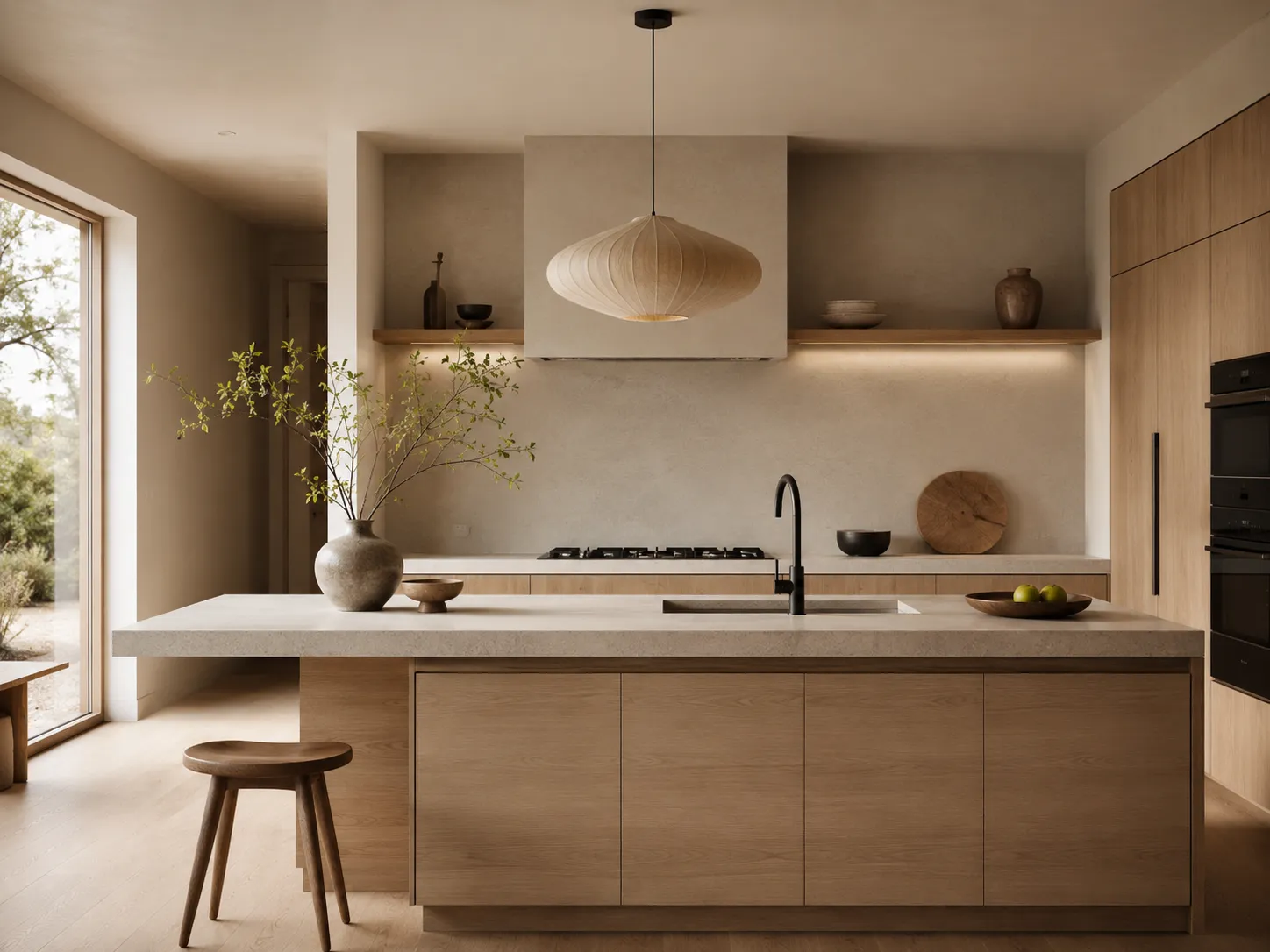
Japandi kitchen: combine clean cabinetry, wood accents, stone countertops, ceramic dishes, and uncluttered counters.
Japandi bathroom: use natural stone, warm wood, simple towels, matte finishes, and soft lighting.
What to Avoid
Avoid clutter, bright colors, shiny finishes, overly trendy furniture, and too many decorative accessories.
Japandi should not feel cold or sterile. It should feel warm, natural, and lived in. The best Japandi rooms are simple, but they still have softness, texture, and personality.
Final Thoughts
Japandi style is perfect if you want your home to feel calm, warm, and intentional. By combining natural materials, neutral colors, clean furniture, soft lighting, and minimal decor, you can create a space that feels both modern and timeless.
FAQ
Common questions
- What is Japandi style?
- Japandi is a hybrid of Japanese and Scandinavian interior design. It combines Japanese simplicity, craftsmanship, and connection to nature with Scandinavian warmth, comfort, and cozy minimalism. The result is a calm, minimal room that still feels warm and lived in.
- What is the difference between Japandi and Scandinavian style?
- Scandinavian design leans lighter and cozier, with pale woods, white walls, and soft textiles. Japandi adds Japanese influence: deeper wood tones, low-profile furniture, more negative space, and a quieter, more grounded feel. Japandi is usually warmer and more restrained than pure Scandinavian style.
- Is Japandi style expensive to achieve?
- It does not have to be. Japandi favors fewer, better pieces over lots of decor, so you can often get the look by removing clutter, keeping furniture you already own, and adding a small number of natural-material items like a wood bench, linen bedding, or a paper lantern.
- How do I try Japandi style in my own room?
- Upload a photo of your room to an AI room design tool like Room Foundry and ask for a Japandi redesign. You can keep the furniture you already own, preview the style on your actual room, and refine details like lighting, bedding, and decor before buying anything.
Keep exploring
Related reading
Bedroom Ideas
See the Same Bedroom in Six Interior Design Styles
AI Room Design
AI Bedroom Design From a Photo: A Practical Step-by-Step Guide
AI Room Design
AI Interior Design From a Photo: How It Works and What to Expect
AI Room Design
Can AI Redesign a Room While Keeping Your Existing Furniture?
AI Room Design
Room Foundry vs RoomGPT: Features and Workflow Compared
Interior Design Styles
Organic Modern Style: How to Get the Look Without Replacing Your Room
Small Spaces & Dorm Rooms
15 Modern Dorm Room Ideas for a Small College Bedroom
AI Room Design
How to Identify Your Interior Design Style From a Photo
Try Room Foundry
See the idea in your own room.
Upload a real room photo and get a redesign preview shaped around your space.
Try your room free